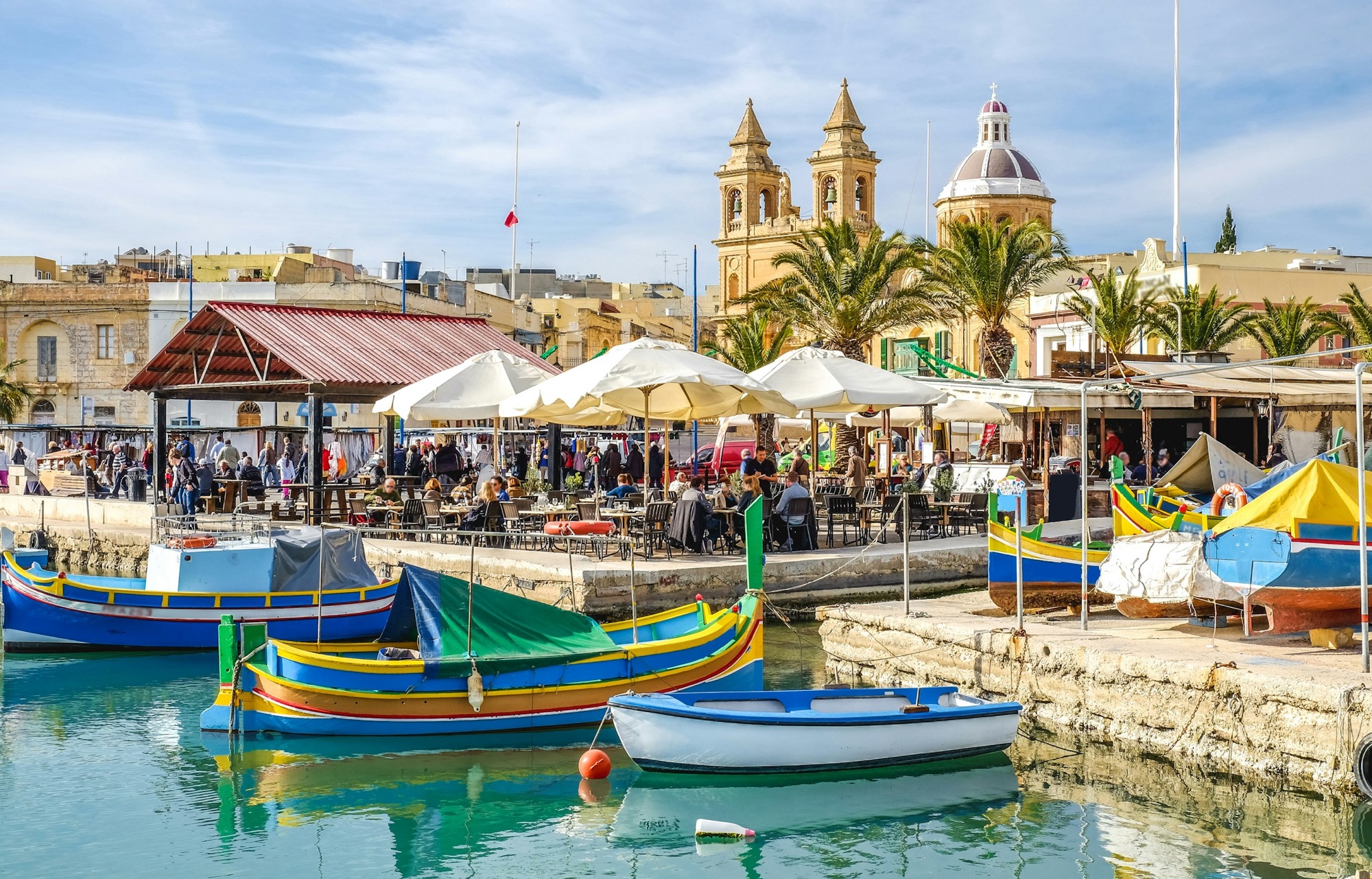
When you think of a country, you probably imagine borders, flags, and a capital city. But what if I told you there’s a “country” with no territory, no citizens, and no army — and yet it issues passports, has embassies around the world, and even has permanent observer status at the UN? Welcome to the fascinating world of the Sovereign Military Order of Malta, or simply the Order of Malta.
Their story begins in Jerusalem around 1048, when a group of monks set up a hospital to care for sick and wounded pilgrims. As the Crusades took hold, they became both protectors and healers, known as the Knights Hospitaller — wearing black cloaks with white crosses and guarding the road for travelers heading to the Holy Land. After the fall of Jerusalem, they relocated several times, eventually being granted the island of Malta in 1530. For over two centuries, they ruled as a mini-state with one of the most impressive naval forces of the Mediterranean — until Napoleon kicked them out in 1798.
Here’s where it gets interesting: even without Malta, the Order never lost its sovereignty. Today, its headquarters sit in Rome in two remarkable buildings: the Palazzo Malta on Via dei Condotti and the Villa del Priorato di Malta on the Aventine Hill. These buildings are considered extraterritorial — like embassies — meaning they function as independent territory under international law. If you visit the Aventine Hill villa, you can even peek through the famous keyhole of its gate to see a perfectly framed view of St. Peter’s Basilica in the distance — one of Rome’s best-kept secrets.
Despite having no army and no land, the Order is recognized by more than 110 countries, issues its own passports, and maintains diplomatic relations worldwide. Instead of fighting wars, its mission today is purely humanitarian: running hospitals, disaster-relief missions, and refugee programs across dozens of countries.
It’s also packed with fun quirks: it’s the oldest surviving chivalric order in the world, its motto is Tuitio Fidei et Obsequium Pauperum (“Defence of the Faith and Assistance to the Poor”), and it’s technically the smallest sovereign entity on earth — even smaller than Vatican City.
For anyone studying international law or just fascinated by global history, the Order of Malta is a reminder that sovereignty is not just about land — it’s about recognition, purpose, and the ability to act on the world stage.
